2026 Commercial Property Outlook: What to Expect as a Commercial Property Investor in Missouri

Get a Glimpse Into This Year’s Commercial Real Estate Market With Central Missouri’s Lindner Properties
Between tariffs, the rise of AI, and a handful of other trends to emerge in 2025, commercial property owners have a lot of data to interpret while looking ahead to 2026. In these evolving times, however, it can be difficult to follow along and comprehend these predictions right away. Investment patterns tell us a lot about the current market, and it’s essential not just to look at the broader picture, but how this information affects different industries like offices or healthcare. It also helps to know how consumer lifestyles have changed, as it can determine your methods of commercial real estate management.
If you want an inside look at the Columbia, MO area’s prospects for new businesses, continue with Lindner Properties! Our knowledgeable team has a tight grasp on today’s economy and can help you open with the wisest strategy in mind. Review the full commercial real estate outlook for 2026 before getting in touch.
Mid-Missouri shoppers are living in an uncertain economy
Inflation, fluctuating interest rates, and shifting consumer priorities have made today’s economic landscape feel unpredictable for those in mid-Missouri. While spending hasn’t disappeared, it has become more intentional. Consumers are weighing value, convenience, and necessity more carefully than ever, and that shift is directly impacting the commercial real estate market.
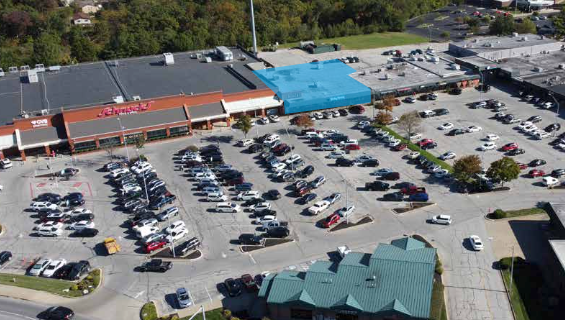
For retail and mixed-use property owners, this uncertainty underscores the importance of adaptability. Shoppers are still visiting brick-and-mortar locations, but they’re favoring businesses that offer clear value propositions, experiential elements, or essential goods and services. Grocery-anchored centers, service-based tenants, and locally rooted businesses are proving more resilient as consumers prioritize practicality and trust.
At the same time, economic caution is influencing how long shoppers stay, how often they visit, and how much they spend per trip. This places added emphasis on location, tenant mix, and ease of access. Properties that create a seamless, convenient experience with ample parking, walkability, and proximity to residential neighborhoods are better positioned to capture consistent foot traffic.
For investors and developers in mid-Missouri, the current environment isn’t just about weathering uncertainty. It’s about responding to it strategically. Understanding evolving shopper behavior can guide smarter leasing decisions, redevelopment opportunities, and long-term planning. In an uncertain economy, the most successful commercial properties will be those that align closely with how local consumers are choosing to spend today.
Commercial real estate investment is relatively more affordable in Columbia, MO
In comparison to other asset classes in 2026, like equities, bonds, and even certain commodities, commercial real estate will be fairly inexpensive to invest in, especially in an area like central Missouri. This area often benefits from stable local economies, lower acquisition costs compared to primary coastal markets, and a resilient demand for core property types like industrial, multi-family, and medical office space.
While larger, more established markets may already reflect full valuation, the mid-Missouri area represents a sweet spot where investors can secure solid assets at a lower entry multiple, setting the stage for substantial appreciation as regional growth continues. The combination of commercial real estate's general affordability in 2026 and the specific economic advantages of central Missouri creates a powerful and opportune environment for both new and seasoned investors.
Trends to watch for office real estate in 2026
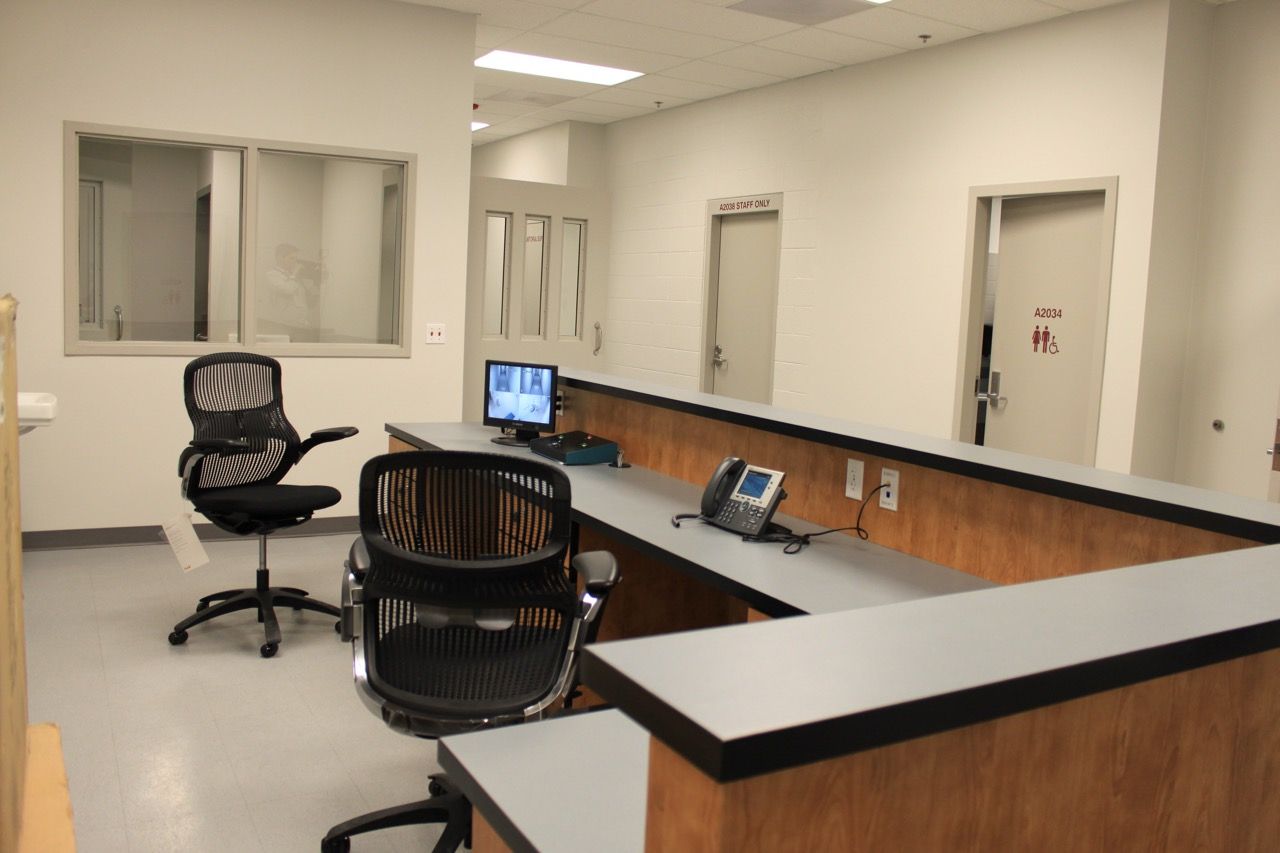
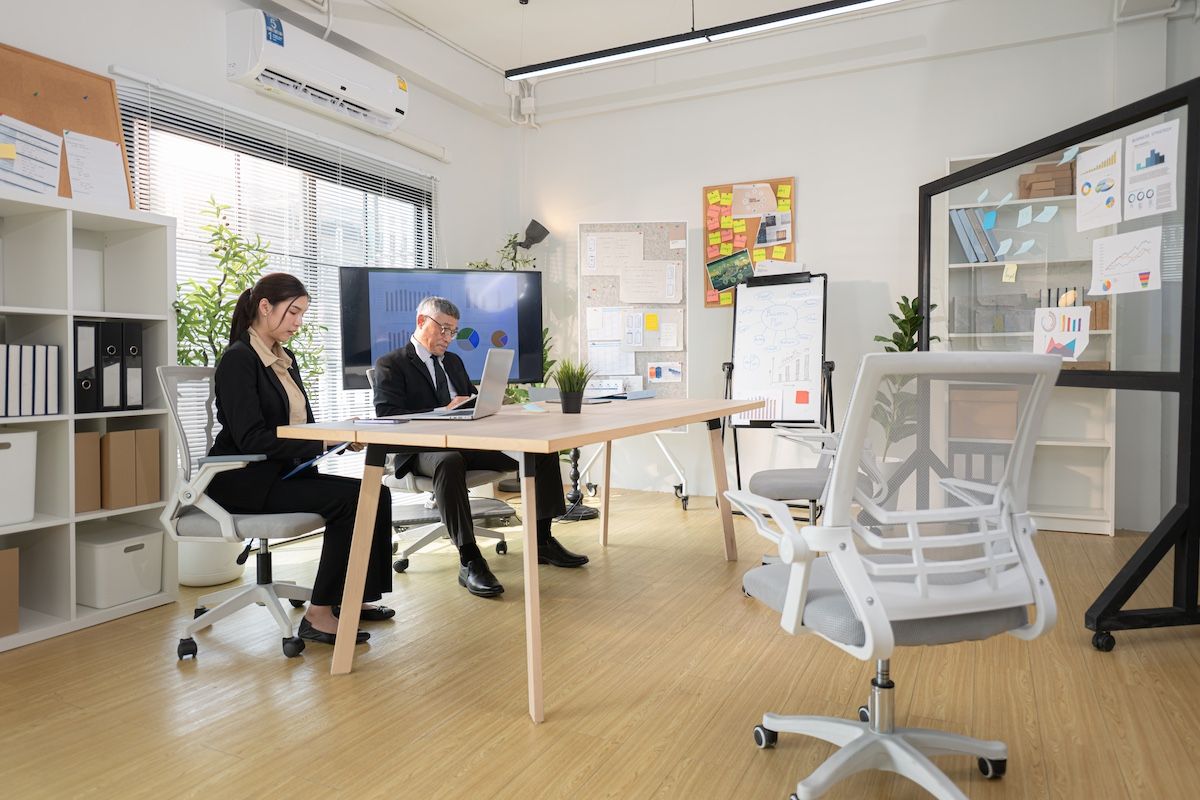
Offices and businesses across mid-Missouri are currently re-evaluating their strategies and seeking opportunities to enhance their market positioning, primarily with the goal of achieving higher financial returns and maximizing efficiency. A key factor in this equation is their commercial real estate footprint.
Looking ahead, the fundamental demand for commercial real estate, often referred to as "occupier demand", is projected to remain relatively consistent with the data observed in the previous year. However, within this stable demand, a significant trend is accelerating: the scarcity of truly high-quality office spaces. These premium properties, which offer superior amenities, modern infrastructure, and excellent locations, are becoming increasingly rare and competitive to secure.
This tightening market is compounded by a shift in development strategy. With fewer new commercial properties being custom-built, businesses are finding that traditional purchasing or bespoke development is no longer the most practical or viable option. Consequently, for Columbia, MO business owners looking to secure operational space, leasing is rapidly emerging as the most strategic and, often, the only practical solution. Leasing allows companies to access the limited pool of high-quality, move-in-ready properties without the immense capital expenditure and multi-year timeline associated with new construction. This makes speed-to-market and flexibility paramount in today's environment.
Be aware of trends in the central Missouri retail industry
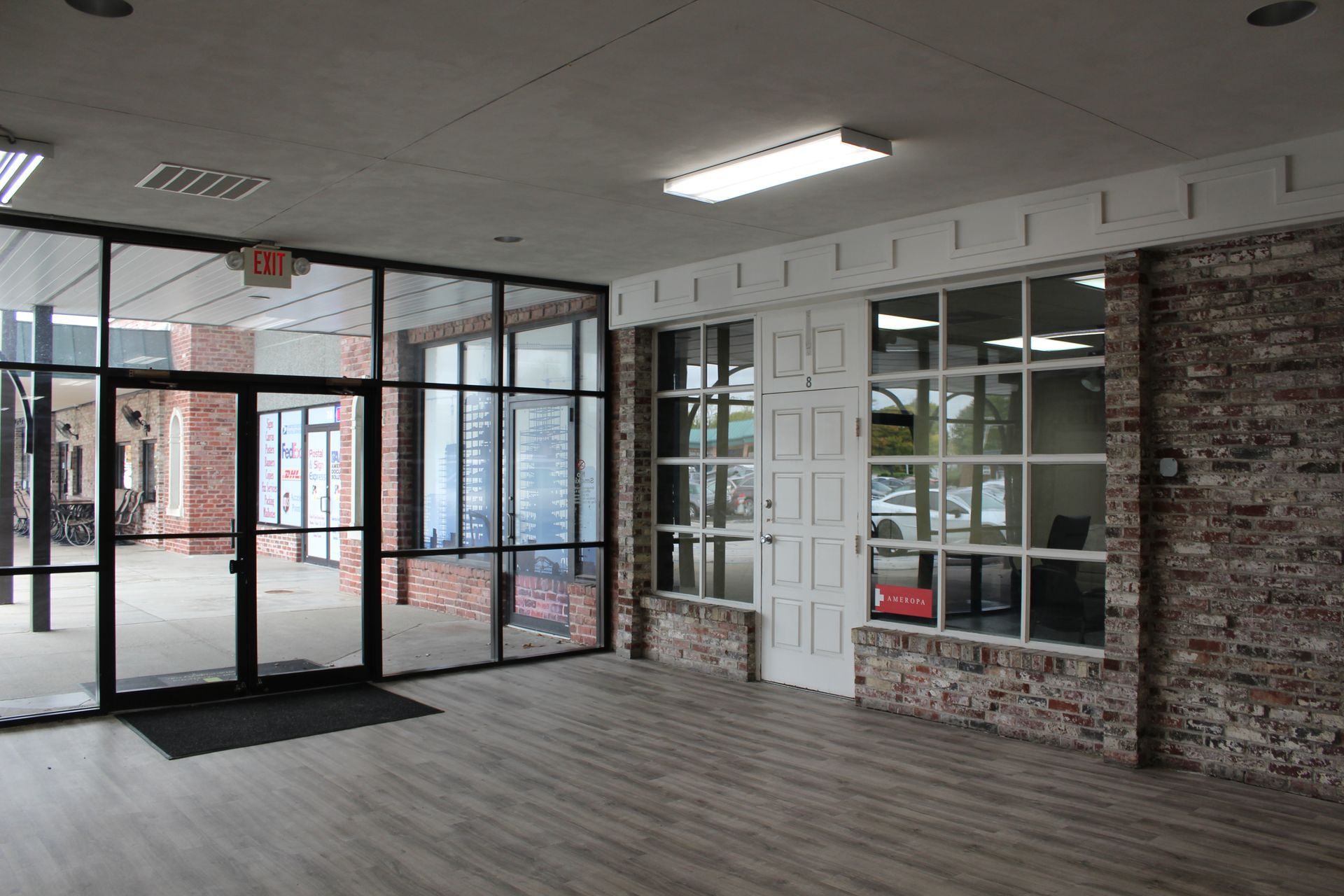
The retail market is also still recovering from a number of economic factors, from tariffs to post-pandemic adaptation. When it comes to retail space for lease in 2026, the population is more interested in essential retailers, such as grocery stores and service providers. Since the most recent changes in spending habits, consumers have become much more reserved with their money unless they believe the product or service will truly be worth the investment.
These types of businesses perform best in a strip center or a neighborhood plaza that combines several companies, allowing customers to handle many of their needs in one convenient location. As supply gets incredibly low for retailers in mid-MO, net absorption and real estate occupancy will be relatively stable. If you have more questions about the modern retail landscape, learn from the professionals at Lindner Properties!
Medical facilities in mid-MO are looking for efficient options
It would be an understatement to claim that U.S. hospitals are overwhelmed this year. The strain on resources, bed capacity, and clinical staff has reached critical levels, driven by a combination of factors including ongoing public health challenges, an aging population with increasingly complex needs, and systemic labor shortages. This has placed immense pressure on the entire healthcare ecosystem and accelerated the shift toward alternative care settings, most notably Medical Outpatient Buildings (MOBs).
MOBs are emerging as a crucial component in alleviating the pressure on traditional inpatient facilities. These healthcare provider centers operate in a more accessible, office-like environment, distinct from the intense, high-acuity setting of a full hospital. They typically offer services under different, and often more flexible, hours, focusing on diagnostics, preventive care, specialty consultations, and minor procedures. This model of decentralized care is highly desirable for both patients who seek convenience and lower costs and providers who aim for efficiency and a better patient experience.
However, while the demand for outpatient care remains exceptionally strong, the completion of new MOBs is projected to be at an all-time low. This slowdown in new inventory can be attributed primarily to macroeconomic headwinds. Current MOB owners, as well as developers, should be acutely aware of significant cost spikes. Inflationary pressures continue to impact the cost of essential construction materials, and the tight labor market for skilled construction trades is driving up labor costs.
In response to this strained environment, current MOB owners must take proactive steps. It is imperative to re-evaluate existing methods of authority and efficiency within their facilities. This includes optimizing operational workflows, adopting advanced building management systems to reduce utility and maintenance costs, and critically, investing in technology that enhances patient throughput and staff productivity.
Make Sure Your Central Missouri Business Thrives in 2026! Schedule a Consultation to Talk About Commercial Property for Rent
At Lindner Properties, we want to help you find the ideal commercial real estate, no matter what industry you’re in. For several generations, our team has been a guide for commercial property tenants, ensuring that the physical space meets all their day-to-day requirements and allows them to serve their clients in the best way possible.
Whether you’re opening a brand new restaurant or relocating your family-owned office, we have qualified people to help you through every step. Reach out today and pursue your 2026 commercial real estate goals in Columbia, MO!