10 Essential Restaurant Requirements You Need to Consider Before Remodeling in Columbia, MO
Don’t Renovate Your Mid-Missouri Restaurant Until You’ve Reviewed This Guide From the Experts at Lindner Properties
Remodeling a restaurant is an exciting opportunity to refresh your space, improve the customer experience, and create a more efficient environment for your employees. Whether you're updating an established restaurant in Columbia, MO, or preparing a newly acquired property for its first customers, a successful renovation requires more than choosing new flooring, fixtures, and furniture.
Restaurant properties have unique requirements that affect everything from construction schedules and building codes to kitchen layouts and fire safety. Overlooking these details can lead to unexpected expenses, construction delays, and compliance issues that prevent you from opening on schedule.
Before beginning your next project, consider these 10 essential requirements for remodeling a restaurant in mid-Missouri. At Lindner Properties, we understand the commercial real estate considerations that go into finding, improving, and preparing properties for business owners.
#1: How will the remodeling schedule affect your restaurant’s hours of operation?
One of the first things to consider is how your remodeling schedule will affect daily business. If you're renovating an established restaurant, closing completely may mean losing valuable revenue and disrupting relationships with regular customers.
Start by determining which renovations can happen while your restaurant remains open and which require a temporary closure. Cosmetic improvements, such as painting or replacing certain fixtures, may be possible outside normal business hours. However, extensive kitchen renovations, plumbing replacements, and electrical upgrades may require shutting down specific areas or the entire restaurant.
Develop a realistic construction timeline with your contractors, accounting for material deliveries, inspections, and potential delays. If you need to close temporarily, plan your reopening date carefully and communicate schedule changes to customers in advance.
For new restaurant owners, consider how long improvements will take before signing a lease or announcing an opening date. Having a clear timeline can help you avoid unnecessary expenses while your business is not yet generating revenue.
#2: Check permits, zoning & district codes before renovating a Columbia, MO restaurant
Before making structural changes or beginning construction, determine which permits and approvals your restaurant renovation requires. Depending on the scope of your project, you may need building, electrical, plumbing, or mechanical permits.
You'll also need to verify that the property is appropriately zoned for your intended restaurant operations. Not every commercial property is automatically approved for every type of food service or business activity. For example, a property previously used as an office may require additional approvals before it can operate as a restaurant.
In Columbia, MO, business owners should review applicable city zoning regulations, building codes, and development requirements. Properties in historic districts may also have additional restrictions involving exterior changes, signage, and architectural features.
Contact the appropriate city departments before beginning work. Addressing these requirements early can help prevent costly construction changes, inspection problems, and delays.
#3: Every restaurant in the Columbia, MO area requires ADA compliance
Accessibility is another important consideration when remodeling a restaurant. Under the Americans with Disabilities Act (ADA), restaurants and other businesses serving the public must meet applicable
accessibility requirements.
Evaluate your property to determine whether customers with disabilities can comfortably access and navigate the space. This includes reviewing entranceways, door widths, ramps, hallways, dining areas, and restrooms. Your restaurant's seating arrangement also matters. Accessible seating should be integrated throughout the dining area rather than separated from other customers. If you have a bar or service counter, consider whether accessible service areas are available.
Restroom accessibility is especially important. Make sure fixtures, grab bars, turning spaces, and other features meet applicable requirements. If you're purchasing or leasing an older restaurant property in mid-Missouri, don't assume it is already ADA compliant. Have the space evaluated before committing to a renovation budget so you can account for necessary improvements.
#4: Keep your mid-MO restaurant safe with proper fire suppression
Commercial kitchens involve several potential fire hazards, including open flames, hot cooking equipment, grease, and electrical systems. That's why fire safety should be a priority during every restaurant renovation.
Depending on your kitchen equipment and layout, you may need a commercial kitchen hood with an approved fire suppression system. These systems are designed to detect and suppress fires around cooking appliances, particularly those involving grease. Your renovation plans should also account for properly located fire extinguishers, accessible emergency exits, appropriate exit signage, and compliant fire alarm systems.
If you're changing the location of your cooking equipment, you may need to modify your ventilation hood and suppression system. Have qualified professionals evaluate your proposed layout to determine what upgrades are necessary. Work with your contractor and local fire officials to verify that your renovated restaurant meets applicable fire codes before opening.
#5: Secure utilities before moving on to the aesthetic details of your restaurant remodel in Columbia, MO
It's easy to get excited about new countertops, decorative lighting, and updated dining room furniture. However, the essential utility systems behind your restaurant deserve attention first. Start with your electrical system. Commercial kitchens rely on numerous appliances, refrigeration units, lighting fixtures, and other equipment that may require substantial electrical capacity. Make sure your existing service can accommodate your planned operations.
Plumbing is equally important. Your restaurant may need dedicated handwashing sinks, food preparation sinks, dishwashing stations, floor drains, and grease management systems. Confirm that your plumbing layout supports local health requirements and your kitchen's workflow.
Heating, ventilation, and air conditioning (HVAC) systems also play an important role. A properly designed system helps maintain comfortable temperatures for customers and employees while supporting adequate ventilation throughout the kitchen. Addressing these infrastructure requirements before cosmetic improvements can help prevent expensive rework later.
#6: Design the most efficient commercial kitchen for central Missouri employees
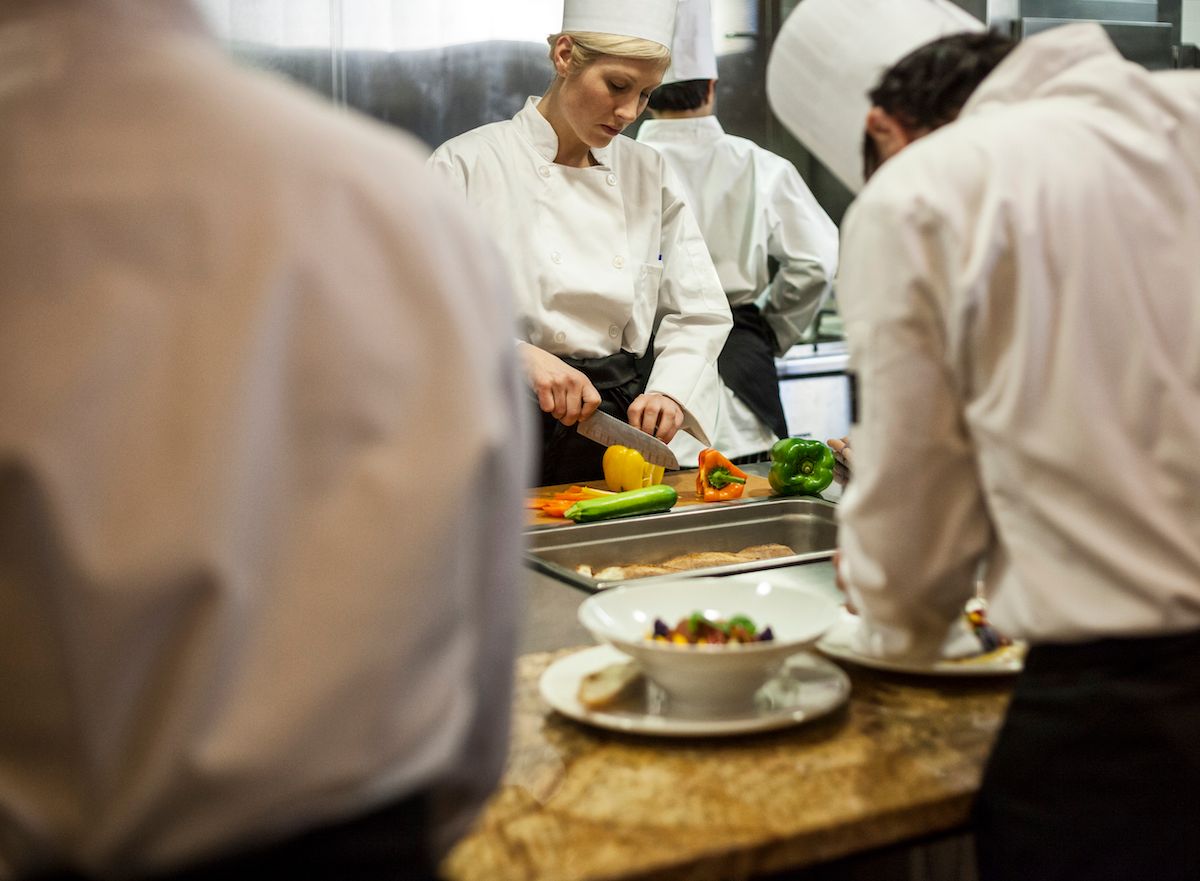
A well-designed kitchen can make a significant difference in your restaurant's daily operations. Your layout should allow employees to prepare food, cook, plate orders, and clean up without constantly getting in one another's way.
Consider how food moves through your kitchen, from receiving and storage to preparation, cooking, and serving. Organize workstations so employees can move between tasks efficiently while maintaining appropriate food safety practices. You should also account for the specific needs of your menu. A restaurant specializing in pizza will have different equipment and preparation requirements than a breakfast café or full-service steakhouse.
Don't forget about storage. Adequate refrigeration, freezer space, dry storage, and shelving help keep ingredients organized and accessible. Before finalizing your plans, consult your chef, kitchen manager, and other employees who understand the demands of your operation. Their input can help you create a functional workspace that supports productivity and customer satisfaction.
#7: Focus on quality while staying within budget for your restaurant remodel
A restaurant renovation is a significant investment, so establishing a realistic budget should be one of your first steps. Start by identifying your essential improvements. Structural repairs, code compliance, plumbing, electrical work, and kitchen upgrades should generally take priority over purely decorative features. Once you understand your necessary expenses, determine how much you can allocate to finishes, furniture, lighting, and other design elements.
It's also important to plan for unexpected expenses. Older commercial properties may have hidden plumbing problems, outdated wiring, or structural issues that aren't immediately apparent. Setting aside a contingency fund can help you manage these surprises without compromising essential improvements.
When comparing materials and contractors, look beyond the initial price. Durable flooring, commercial-grade fixtures, and quality finishes may cost more upfront but can withstand the daily demands of a busy restaurant. The goal is to create an attractive, functional space that supports your business without stretching your finances too far.
#8: If your restaurant has a bar, make sure it meets all of Columbia, MO’s requirements
Adding or remodeling a bar can help create a more inviting atmosphere and expand your restaurant's revenue opportunities. However, serving alcoholic beverages comes with additional regulations. In Columbia and throughout Missouri, businesses serving alcohol must obtain the appropriate liquor licenses and comply with applicable state and local requirements.
Before incorporating a bar into your renovation plans, determine whether the property's existing licenses and approvals apply to your intended operation. Don't assume a previous tenant's liquor license automatically transfers to a new business owner. You'll also want to consider the physical layout. Make sure your bar has adequate plumbing, electrical connections, refrigeration, storage, and workspace for bartenders.
If you plan to serve food and drinks at the bar, account for accessible seating and appropriate service areas. Your design should also allow employees to work efficiently without interfering with dining room traffic. Consult the
Missouri Division of Alcohol and Tobacco Control and the
City of Columbia to understand applicable licensing and operational requirements.
#9: Invest in quality kitchen equipment during your renovation in mid-Missouri
Your restaurant's equipment directly affects food quality, preparation times, and employee productivity. Remodeling is an excellent opportunity to evaluate your existing appliances and determine whether replacements or upgrades are necessary. Consider the equipment your menu requires, including commercial ranges, ovens, fryers, grills, refrigerators, freezers, dishwashers, and food preparation appliances.
Before purchasing anything, verify that your equipment fits the planned kitchen layout and meets your utility requirements. Check electrical connections, gas lines, ventilation needs, and available space to avoid installation problems. Energy efficiency is another consideration. Commercial appliances with better energy performance may help reduce ongoing utility expenses, especially in kitchens that operate for long hours.
Finally, don't overlook maintenance and warranties. Investing in reliable equipment from reputable manufacturers can help minimize unexpected breakdowns and keep your restaurant operating smoothly.
#10: Optimize the entrance & seating of your Columbia, MO restaurant for customers
Your restaurant's entrance and dining room create the first impression customers have of your business. A thoughtful design can make guests feel welcome while encouraging them to return. Start with the entrance. Make sure customers can easily locate your restaurant, access the building, and move inside without obstacles. Attractive signage, appropriate lighting, and a clean entryway can help establish a welcoming atmosphere.
Next, consider your seating arrangements. Your dining room should accommodate different party sizes while maintaining comfortable spacing between tables. Avoid overcrowding the space, as narrow walkways can make it difficult for customers and employees to move around. Think about the atmosphere you want to create. Lighting, colors, furniture, and decorative features should complement your restaurant's concept and brand.
You should also consider how the dining area connects to the kitchen, restrooms, waiting areas, and bar. A practical layout helps create a better experience for customers while making service easier for your staff. Ultimately, your restaurant should feel inviting, accessible, and comfortable from the moment customers walk through the door.
Looking for a New Restaurant Space in Columbia, MO? Get in Touch With the Lindner Properties Team Today
Remodeling a restaurant requires careful planning, attention to detail, and an understanding of the property's commercial requirements. From permits and accessibility to kitchen equipment and customer seating, every decision can affect your renovation timeline, budget, and long-term success. If you're preparing to open a restaurant, expand your existing business, or relocate to a new space, finding the right commercial property is an important first step.
At Lindner Properties, we help business owners explore commercial real estate opportunities in Columbia, MO, and the surrounding mid-Missouri communities. Whether you're searching for a restaurant property or evaluating your next business location, our team is ready to help you